Wednesday, July 7, 2010

Jaws for the Blind

Computer's have made work and school tasks more efficient. However, computing and searching the web is taken for granted by many people. Blind people, without assistive devises, are unable to use the web for research and academic reasons. Freedom Scientific, an assistive devise company builds products for the blind that allows them to hear the information produced on computer screens, including web site information. The product is called JAWS.
JAWS, allows the visually impaired to navigate through the computer and web. It works with major applications, including Lotus Notes® by IBM. JAWS also is compatible with Microsoft® Office Suite, MSN Messenger®, Corel® WordPerfect, Adobe® Acrobat Reader, Internet Explorer™, and Firefox™. In addition, it provides the ability for the user to read the information from braille.

Check out the following video for a demonstration.

Eye Tracking


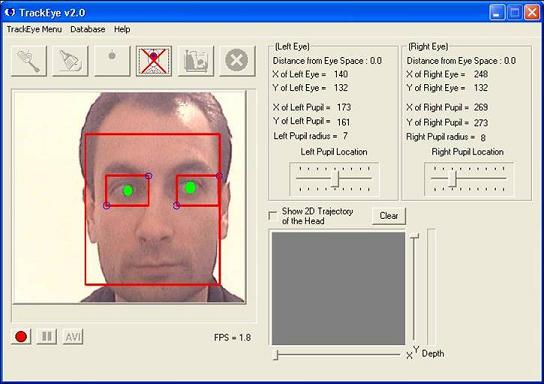
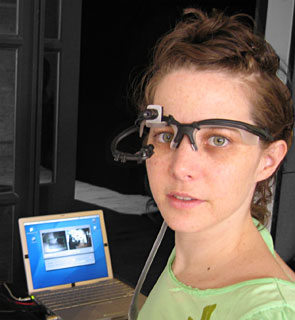
Many disabled students could benefit from eye tracking technology. Eye tracking devices replace the need for a traditional mouse to navigate a computer by following the movements of their user's eye. The student does not have to move from their normal position and is especially useful for students with limited mobility issues.

Newer and better programs are continually being developed to make the software more intuitive and work around the need for devices. Fairly soon it may be possible to use eye tracking with almost no training and only require the software to be installed on a computer with a webcam (which is now standard in almost all models). This would mean that any student that requires the technology could use any computer in any room, without having to adapt the computer itself.


Assisting the Hearing Disabled


For students with hearing deficiencies there are Personal Frequency Modulation Systems. These devices behave like a small radio station and operate on a special frequency. It works by giving the speaker a microphone with a transmitter in it and a receiver that is given to the listener. The receiver can either be the person's hearing aid or, if the listener does not wear a hearing aid, a set of headphones. For full article about Personal Frequency Modulation Systems click here.